Local vs Branded Mustard Oil: Differences Consumers Must Know
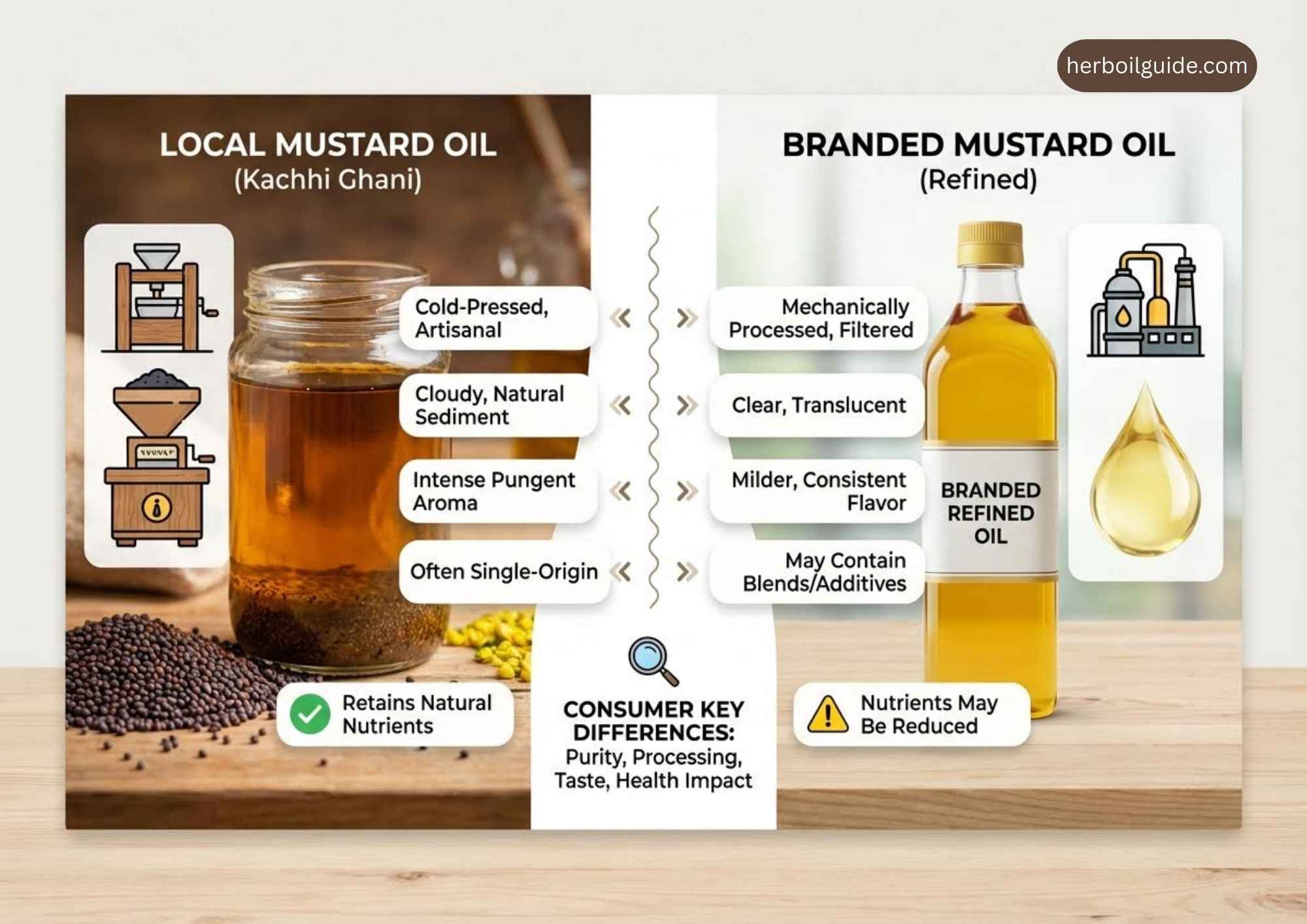
Mustard oil remains one of the most debated edible oil globally. While many consumers trust local (loose) mustard oil for its traditional roots, others prefer branded mustard oil for safety, consistency, and regulation. Understanding the real differences between local and branded mustard oil is essential for making informed decisions about health, purity, cooking, hair care, massage, and long-term safety.
These differences are not just about packaging—they reflect broader factors such as quality control, food safety standards, and structured manufacturing systems. For readers interested in the commercial side of the industry, learning how to start a mustard oil business helps explain why branding, compliance, and testing standards vary so widely between producers. Additionally, ongoing advancements highlighted in the latest research and innovations in mustard oil show how scientific developments are reshaping safety standards, processing methods, and consumer perception worldwide.
This guide breaks down everything consumers must know—without myths, fear, or marketing bias.
- Why This Comparison Matters Today
- What Is Local (Loose) Mustard Oil?
- What Is Branded Mustard Oil?
- Local vs Branded Mustard Oil: Head-to-Head Comparison
- Safety Risks Consumers Must Understand
- Regulatory Oversight: A Major Difference
- Taste, Aroma & Pungency Differences
- Shelf Life & Storage Stability
- Which Is Better for Different Uses?
- How to Choose the Right Branded Mustard Oil
- Common Myths Debunked
- Cost vs Value
- Final Verdict
- FAQs
Why This Comparison Matters Today
With the rising global demand for natural, traditional, and minimally processed foods, mustard oil has regained strong consumer interest—especially locally extracted varieties that are deeply rooted in regional food cultures. At the same time, increasing cases of adulteration, food contamination, and inconsistent quality have raised serious concerns about safety and purity. This shift has pushed branded and packaged mustard oil into the mainstream, driven by stricter food safety regulations, standardized processing, and growing export requirements.
The difference between local (loose) mustard oil and branded (packaged) mustard oil goes far beyond price or availability. It directly influences nutritional integrity, safety assurance, shelf life, traceability, and consumer confidence. Understanding this comparison helps consumers make informed choices—balancing tradition and authenticity with modern standards of quality, transparency, and trust.
What Is Local (Loose) Mustard Oil?
Local (loose) mustard oil refers to mustard oil that is produced and sold without standardized packaging or formal certification, most commonly sourced from village oil mills, small kolhu or ghani presses, and local extractors. Buyers usually bring their own containers, and the oil is sold directly without branded labels or regulatory disclosures.
Key Characteristics
- Extracted using traditional kolhu, ghani, or small-scale village presses
- Sold in loose form, not factory-sealed
- Little to no labeling, batch information, or expiry details
- Quality depends heavily on the integrity and practices of the local seller, rather than official certification
Common Consumer Beliefs
Local mustard oil is often viewed as:
- “More natural”
- “Freshly extracted”
- “Free from chemicals or industrial processing”
While these assumptions may be true in some cases, they are not consistently guaranteed. Without testing, labeling, or traceability, the oil’s purity, safety, and nutritional quality can vary significantly from one source to another.
What Is Branded Mustard Oil?
Branded mustard oil is produced by registered manufacturers that follow established quality control, hygiene, and food safety standards throughout the extraction and packaging process. These oils are designed to deliver consistent quality, safety, and traceability, making them suitable for modern retail and global markets.
Key Characteristics
- Extracted using controlled mechanical, kachi ghani, or cold-pressed systems
- Filtered, hygienically packed, and factory-sealed to prevent contamination
-
Clearly labeled with essential information, including:
- Ingredients
- Nutritional facts
- Batch or lot number
- Manufacturing and expiry dates
- Manufactured under food safety regulations such as FSSAI or equivalent authorities
Branded mustard oils may be available in cold-pressed, kachi ghani, or refined variants, depending on the product range. While processing levels vary, the defining advantage lies in standardization, testing, and regulatory oversight, which help ensure safety, shelf life, and consumer trust.
Local vs Branded Mustard Oil: Head-to-Head Comparison (Nutritional & Chemical Differences)
The nutritional and chemical quality of mustard oil is strongly influenced by how it is processed, stored, and handled. Local (loose) and branded mustard oils can differ noticeably in their fatty acid balance, antioxidant stability, and bioactive compound retention.
Omega-3 and Omega-6 fatty acids, which are essential for heart health and inflammation control, may remain relatively high in local mustard oil if fresh seeds are used and extraction is gentle. However, the lack of standardization means these levels can vary widely from batch to batch. In contrast, branded cold-pressed mustard oils are designed to maintain consistent fatty acid ratios, offering predictable nutritional value to consumers.
Vitamin E, a key antioxidant that protects cells and supports skin and hair health, is more vulnerable to degradation in loose mustard oil due to exposure to air, light, and improper storage. Branded oils typically use light-protected, sealed packaging, which helps preserve vitamin E and slows oxidative spoilage.
The sharp aroma and antimicrobial properties of mustard oil come from allyl isothiocyanate (AITC). In local oils, excessive heat during extraction or inadequate filtration can destabilize this compound, reducing both pungency and functional benefits. Well-controlled branded processing helps maintain a balanced AITC profile without compromising safety.
Processing intensity also matters. Highly refined branded oils may lose some micronutrients during refining, while cold-pressed branded mustard oils aim to strike a balance—retaining natural bioactives while meeting hygiene, safety, and shelf-life standards. This makes cold-pressed branded options a reliable middle ground between traditional nutrition and modern food safety expectations.
Safety Risks Consumers Must Understand
While mustard oil is valued for its flavor and traditional benefits, safety risks vary significantly between local (loose) and branded products, and consumers should be aware of these differences.
Adulteration Risks in Local Mustard Oil
Local mustard oil is more vulnerable to adulteration due to the absence of routine testing and regulatory oversight. Common adulterants include:
- Argemone oil, which is toxic and linked to serious health conditions
- Mineral oil, added to increase volume at low cost
- Cheap seed oils, blended to mimic mustard oil’s color and aroma
These substances are often colorless and odor-masking, making them extremely difficult for consumers to detect without laboratory analysis. Even experienced buyers may not recognize adulteration through smell or appearance alone.
Erucic Acid Concerns
Erucic acid occurs naturally in mustard oil and has long been debated for its potential health impact when consumed in excessive amounts. Many countries have established regulated safety limits to control erucic acid intake.
- Branded mustard oils are more likely to comply with these thresholds due to mandatory testing and standardized processing.
- Local mustard oils, on the other hand, are rarely tested, leaving erucic acid levels uncertain and potentially higher than recommended.
Understanding these safety aspects helps consumers make informed choices—especially when mustard oil is used regularly for cooking or household consumption.
Regulatory Oversight: A Major Difference
One of the most important differences between local and branded mustard oil lies in regulatory control and accountability, which directly affects consumer safety and market acceptance.
Branded mustard oils are produced under strict regulatory frameworks, such as FSSAI in India and equivalent food safety authorities like the FDA or EFSA in other regions. These regulations require compliance with food-grade standards, routine quality testing, and mandatory batch traceability, allowing products to be tracked and recalled if any issue arises. This structured oversight ensures consistency, safety, and legal compliance.
In contrast, local (loose) mustard oils are rarely regulated. They typically lack formal testing, labeling, or traceability, and there is little to no accountability if contamination, adulteration, or quality failures occur. Due to the absence of certification and documentation, local oils are not legally acceptable for export or international retail markets.
This clear gap in regulatory oversight explains why branded mustard oil dominates global trade, modern retail shelves, and export channels—where safety, traceability, and compliance are non-negotiable.
Taste, Aroma & Pungency Differences
Taste and aroma are often the first factors consumers notice when choosing mustard oil, but they are also among the most misunderstood indicators of quality.
Local (loose) mustard oil typically has a very strong aroma and sharp pungency, which many consumers associate with purity and freshness. However, a stronger smell does not automatically indicate higher quality. In many cases, excessive pungency can result from overheated extraction, poor filtration, or oxidation of bioactive compounds during improper storage. These conditions may actually reduce nutritional stability and shelf life rather than enhance them.
Branded mustard oil, particularly cold-pressed or kachi ghani variants, is formulated to deliver a balanced and controlled flavor profile. The pungency remains natural but consistent across batches, making it suitable for both traditional cooking and modern culinary applications. Controlled processing helps preserve allyl isothiocyanate without causing harshness or degradation.
A key myth to remember is that “strong smell ≠ purity.” Mustard oil naturally has a pungent aroma due to allyl isothiocyanate, but an overly harsh or burning smell can be a warning sign of degraded quality, oxidation, or improper processing—rather than superior authenticity.
Shelf Life & Storage Stability
shelf life and storage stability play a crucial role in determining the safety, nutritional quality, and overall usability of mustard oil.
Local (loose) mustard oil usually has a shorter and less predictable shelf life because it is commonly sold without airtight containers, proper filtration, or light protection. Continuous exposure to air, heat, and sunlight accelerates oxidation, which can break down essential fatty acids, reduce vitamin E levels, and destabilize natural pungent compounds. Over time, these conditions increase the risk of rancidity, off-flavors, and even microbial contamination, making storage outcomes highly variable.
Branded mustard oil, in contrast, is packed in sealed, food-grade containers specifically designed to limit exposure to oxygen and light. Controlled filtration, standardized processing, and batch-monitored storage help slow oxidation and preserve bioactive compounds. As a result, branded oils offer a longer, more reliable shelf life, better nutrient retention, and consistent quality from purchase to use.
In practical terms, while local mustard oil may need quicker consumption and careful handling, branded mustard oil provides greater storage stability and food safety assurance, especially for long-term household use or commercial distribution.
Which Is Better for Different Uses?
Choosing between local (loose) and branded mustard oil depends largely on how and where you intend to use it. Each application demands a different balance of safety, purity, and consistency.
For Daily Cooking
✔ Branded cold-pressed mustard oil
This is the safest and most reliable option for everyday
cooking. It provides consistent nutritional quality, regulated
erucic acid levels, and compliance with food safety standards,
reducing the risk of adulteration or oxidation during regular
use.
For Traditional or Ayurvedic Use
✔
Trusted local oil (only if purity is verified)
Freshly extracted local mustard oil from a reputable,
well-known mill may be used for traditional or Ayurvedic
practices. However, this is advisable only when the source,
handling, and freshness are fully trusted, as quality can vary
widely.
For Hair, Skin & Massage
✔ Branded cold-pressed mustard oil
Topical applications require oils that are stable, clean, and
free from contaminants. Branded cold-pressed oils offer better
filtration, lower impurity risk, and longer shelf stability,
making them safer for skin, scalp, and massage use.
For Pets and Veterinary Uses
✔ Only branded, food-grade mustard oil
Animals are far more sensitive to toxins, adulterants, and
chemical residues. Using untested local oil can pose serious
health risks. Branded, food-grade mustard oil ensures quality
control, traceability, and safety, which are essential for
veterinary applications.
Bottom Line: Branded mustard oil consistently outperforms local oil in terms of safety, shelf life, quality consistency, and versatility across most uses. Local mustard oil should be considered only when its purity and source can be confidently verified. For modern households, personal care, and animal use, branded cold-pressed mustard oil remains the most dependable choice.
How to Choose the Right Branded Mustard Oil
Not all branded mustard oils offer the same quality. To ensure you get pure, safe, and nutrient-rich mustard oil, use the following checklist before buying:
-
Look for “Cold-Pressed” or “Kachi Ghani” on the
label
These methods use low heat, which helps preserve omega-3 and omega-6 fatty acids, vitamin E, and natural pungent compounds. Cold-pressed mustard oil is generally closer to traditional extraction while meeting modern safety standards. -
Check for food-grade certification
Always choose mustard oil that complies with recognized food safety regulations (such as FSSAI, FDA-equivalent, or regional authorities). Certification ensures regulated erucic acid levels, contamination testing, and batch traceability. -
Prefer dark glass or opaque, food-grade packaging
Mustard oil is sensitive to light and oxygen. Dark bottles or opaque containers protect antioxidants and fatty acids from oxidation, improving shelf life and nutritional stability. -
Verify clear manufacturing and expiry dates
Freshness matters. Clear dates indicate proper quality control and help you avoid oxidized or stale oil, which can lose both flavor and health benefits. -
Choose minimal or no refining
Lightly filtered, unrefined, or minimally refined mustard oil retains natural antioxidants, aroma, and bioactive compounds. Avoid heavily refined oils unless neutral flavor is specifically required.
Bonus tip: Check the ingredient list—it should list only “mustard oil”, with no blends, additives, or artificial flavoring.
By following these points, you can confidently select a high-quality branded mustard oil that delivers the best balance of nutrition, safety, flavor, and long-term usability for cooking, personal care, and even veterinary use.
Common Myths Debunked
Myth 1: Local (loose) mustard oil is always purer
Truth: Purity is determined by seed quality,
extraction method, filtration, storage, and testing, not by
whether the oil is local or branded. While some local oils may
be fresh and well-made, many lack standardized hygiene,
adulteration testing, and traceability, making purity
inconsistent and unverified.
Myth 2: Branded mustard oil contains chemicals
Truth: Food-grade branded mustard oils are
produced under regulated manufacturing standards. Cold-pressed
and kachi ghani branded oils rely on mechanical extraction,
not chemical additives. In fact, branded oils are more likely
to be tested for contaminants, erucic acid limits, and
adulteration than loose oils.
Myth 3: A strong smell means higher quality
Truth: Mustard oil naturally has a pungent
aroma due to allyl isothiocyanate, but excessively harsh or
burning smell can signal overheating during extraction,
oxidation, or poor storage. True quality is reflected in
balanced aroma, stable flavor, and nutritional integrity, not
overpowering pungency.
Bottom line: Quality mustard oil is defined by controlled processing, safety testing, and proper storage. Branded oils that follow these standards often deliver greater reliability and consumer safety, while local oils require strong trust and verification to meet the same level of quality.
Cost vs Value: What Should Consumers Prioritize?
Local (loose) mustard oil may seem cheaper at the point of purchase, but the lower price often hides important trade-offs. Because local oil is usually sold without standardized filtration, testing, or protective packaging, it is more prone to faster spoilage, oxidation, and quality variation. These factors can reduce nutritional value over time and increase the risk of contamination or adulteration, especially in warm climates and long storage conditions.
Branded mustard oil, while slightly higher in cost, is designed to deliver consistent quality, better shelf stability, and verified safety. Controlled processing, regulated erucic acid levels, and sealed, light-protective packaging help preserve nutrients and minimize health risks. For households that include children, elderly family members, or regular daily users, this reliability translates into better long-term value rather than just short-term savings.
In essence, consumers should prioritize value over price. A mustard oil that remains stable, safe, and nutritionally intact over time offers greater protection for health and peace of mind—making branded mustard oil a smarter investment for everyday use.
Final Verdict: Which Should You Choose?
There is no one-size-fits-all answer, but for most modern consumers, branded mustard oil is the safer and more reliable choice. For daily cooking, hair care, massage, and even pet or veterinary use, branded oils offer consistent quality, regulated safety standards, better shelf life, and clear traceability, reducing the risks associated with adulteration and improper storage.
Local (loose) mustard oil can still have a place, but it should be used with caution and only when the source is highly credible—such as a trusted mill with proven hygiene, fresh extraction, and transparent handling. Without testing or certification, however, quality and safety cannot be assumed.
Ultimately, the real decision is not tradition versus branding, but awareness versus assumption. An informed choice—based on safety, intended use, and quality assurance—ensures that mustard oil delivers its true nutritional and functional benefits without compromising health or trust.
FAQs: Local vs Branded Mustard Oil
Q1. Is local mustard oil safe to consume daily?
Local mustard oil can be consumed daily only if its purity, processing hygiene, and storage conditions are verified. Without proper laboratory testing, there is a higher risk of adulteration, contamination, or improper extraction, which may affect health. Branded mustard oil usually follows food safety standards, quality checks, and regulatory compliance, making it a safer option for regular consumption.
Q2. What is the main difference between local and branded mustard oil?
The main difference lies in quality control and safety standards. Local mustard oil is often cold-pressed in small units with limited testing, while branded mustard oil is processed under regulated conditions, tested for purity, and certified by food safety authorities.
Q3. Is branded mustard oil more refined than local oil?
Branded mustard oil may be cold-pressed, filtered, or mildly refined, depending on the product. Refinement does not necessarily reduce benefits; instead, it helps remove impurities, control pungency, and extend shelf life.
Q4. Does local mustard oil contain adulterants?
Local mustard oil may sometimes be adulterated with cheaper oils or contaminated during processing due to a lack of standardized testing. However, not all local oils are adulterated—verification is the key challenge.
Q5. Is branded mustard oil always chemical-free?
Food-grade branded mustard oil is free from harmful chemicals and complies with food safety regulations. Some brands use approved processing aids, which are considered safe when used within regulatory limits.
Q6. Which is better for cooking: local or branded mustard oil?
For daily cooking, branded mustard oil is generally safer due to consistent quality, stable smoke point, and purity testing. Local oil may be preferred for traditional flavor but should be used cautiously.
Q7. Does local mustard oil have a stronger aroma?
Yes, local mustard oil often has a stronger, raw pungency because it is usually unfiltered and freshly extracted. Branded oil offers a balanced aroma, suitable for a wider range of recipes.
Q8. Which type of mustard oil has a longer shelf life?
Branded mustard oil has a longer shelf life due to proper filtration, packaging, and controlled storage conditions. Local mustard oil may spoil faster if not stored correctly.
Q9. Is cold-pressed mustard oil better when branded?
Yes. Branded cold-pressed mustard oil combines traditional extraction with modern safety and hygiene standards, making it a reliable option for health-conscious consumers.
Q10. Why is local mustard oil cheaper than branded oil?
Local mustard oil is cheaper because it avoids branding, packaging, certification, and quality testing costs. However, lower price does not always reflect better value or safety
Q11. How can consumers check the purity of local mustard oil?
Purity can only be confirmed through laboratory testing. Home tests are unreliable and cannot detect chemical adulterants or contamination.
Q12. Does branded mustard oil lose nutrients during processing?
No. Properly processed branded mustard oil retains essential fatty acids, antioxidants, and vitamin E while improving safety and stability.
Q13. Which mustard oil is better for long-term health?
For long-term use, branded mustard oil is generally safer due to regulated production, consistent quality, and compliance with food safety standards.
Q14. Is locally produced mustard oil always organic?
No. Local production does not guarantee organic farming. Only oils with certified organic labels meet organic standards.
Q15. Is branded mustard oil less nutritious?
No, branded mustard oil is not less nutritious. In fact, reputable brands retain key nutrients such as omega-3 and omega-6 fatty acids, antioxidants, and vitamin E. Controlled processing mainly removes impurities and contaminants, not nutritional value, making branded mustard oil both safe and nutritionally reliable for daily use.
Q16. Which is better for hair and massage?
Branded cold-pressed mustard oil is better for hair and massage because it offers verified purity, consistent quality, and hygienic processing. It delivers the benefits of mustard oil—such as improved circulation, nourishment, and warmth—while minimizing the risks of adulteration or contamination, making it safer for regular external use.